Beard Hair Transplants
 Book a consultation
Beard Transplant Liverpool
Natural, Permanent Beard Restoration by Experienced UK Surgeons
At The Skin & Hair Clinic, we offer advanced beard transplant procedures in Liverpool for men seeking fuller, more defined facial hair. Whether you struggle with patchy beard growth, scarring, asymmetry, or complete absence of facial hair, our beard transplant treatment provides a permanent and natural-looking solution. Using precise follicular unit extraction (FUE) techniques, our experienced surgeons transplant healthy hair follicles from the donor area to the beard, carefully recreating natural growth patterns, angles, and density. Patients from Liverpool and across the UK trust our clinic for safe treatment, refined results, transparent pricing, and expert aftercare
Dr. JOY KUMARI
Hair Transplant Surgeon
What Is a Beard Transplant?
A beard transplant is a specialised facial hair restoration procedure designed to improve beard density, shape, and coverage using your own natural hair follicles. Hair is typically taken from the back or sides of the scalp areas resistant to hair loss and transplanted into areas of the beard that are thin, patchy, or bare.
Each follicle is implanted individually, following the natural direction and angle of beard growth. This precision allows surgeons to create realistic results that blend seamlessly with existing facial hair. Beard transplants can be used to enhance the cheeks, jawline, chin, moustache, or goatee, depending on your goals. At our Liverpool beard transplant clinic, every procedure is customised to suit your facial structure, hair characteristics, and desired beard style.
How Does a Beard Transplant Work?
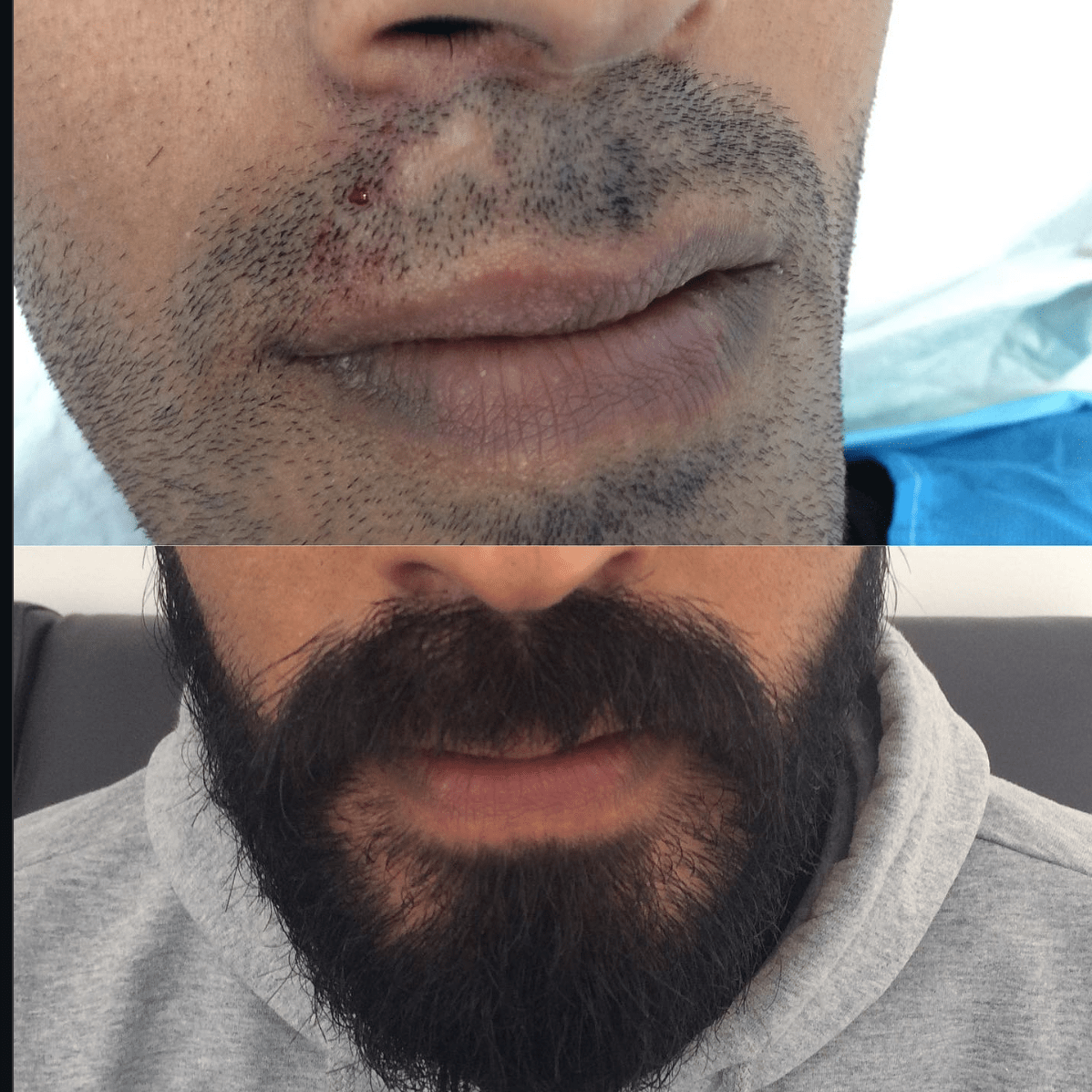
Beard transplantation follows a similar process to scalp hair restoration but requires a higher level of artistic and technical precision due to the unique growth patterns of facial hair.
Step-by-Step Beard Transplant ProcedureYour journey begins with a detailed consultation. We assess your beard growth pattern, donor hair quality, facial structure, and long-term expectations. A custom beard design is created to ensure symmetry, balance, and a natural appearance.
Local anaesthetic is applied to both the donor and beard areas, ensuring the procedure is comfortable and pain-free throughout.
Individual hair follicles are extracted one by one from the donor area using a precision micro-punch tool. These follicles are carefully selected for thickness and curl pattern to best match facial hair.
Extracted follicles are examined and sorted to ensure the most suitable grafts are placed in visible beard areas, such as the cheeks and jawline.
Each follicle is implanted into the beard area at the correct angle and depth to mimic natural beard growth. Facial hair grows at sharper angles than scalp hair, making this stage crucial for realism.
Once complete, the transplanted area is protected to support healing and graft survival. Most patients return home the same day.
Benefits of a Beard Transplant
A beard transplant offers a long-term solution for men who have struggled with facial hair growth for years.
Key Benefits
Permanent Results
Transplanted follicles are genetically resistant to hair loss and will continue to grow naturally for life.
Natural Appearance
Careful implantation ensures hair blends seamlessly with existing facial hair.
Minimal Scarring
Tiny extraction points heal discreetly, leaving no visible scarring.
Custom Beard Design
Beard shape, density, and coverage are tailored to your preferences.
Improved Confidence
A fuller, well-defined beard can enhance facial symmetry and self-esteem.
Natural & Long-Lasting Results
Once implanted, transplanted Beard hair grows naturally and permanently when supported by proper aftercare.
Ideal Candidates for a Beard Transplant
You may be a suitable candidate if you:
- Have patchy or uneven beard growth
- Cannot grow facial hair due to genetics
- Have scars affecting beard growth
- Want improved density or beard shape
- Have sufficient donor hair on the scalp
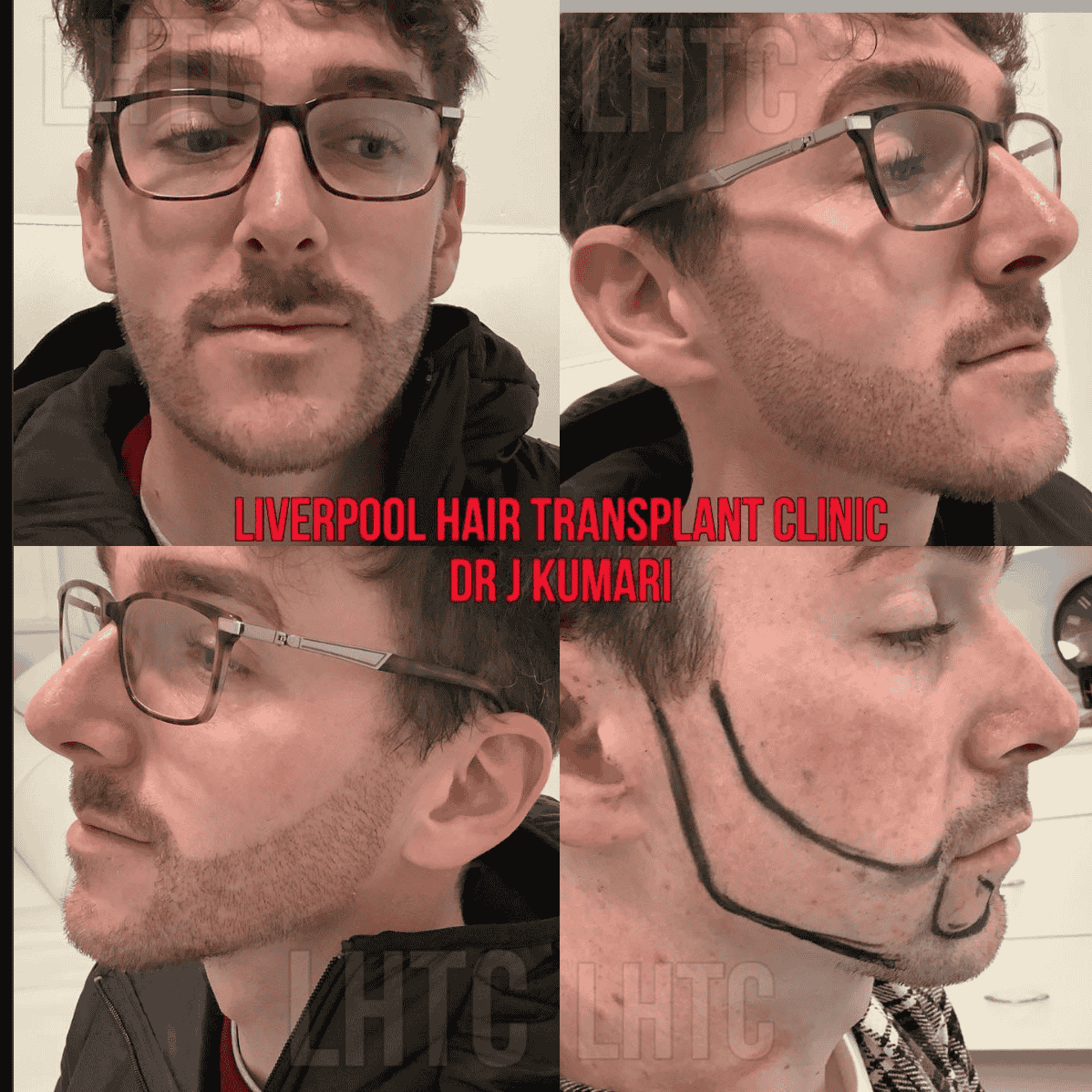
- Men with thin cheek or jawline growth
- Individuals with trauma or surgical scars
- Patients seeking moustache or goatee enhancement
A consultation is essential to confirm suitability and plan realistic outcomes.
Unlike topical products, medications, or fillers, a beard transplant provides a permanent and natural solution. Transplanted hair behaves like normal beard hair and can be shaved, trimmed, and styled as desired.
When performed by qualified surgeons, beard transplantation is safe and well-tolerated.
Temporary side effects may include:
- Mild swelling or redness
- Small scabs at implantation sites
- Temporary shedding (shock loss)
- Short-term shedding of transplanted hair
Serious complications are rare and significantly reduced through proper technique, sterile conditions, and aftercare.
This procedure is best for candidates who prefer a minimally invasive, scar-free hair transplant with faster healing and minimal downtime. Beard Transplant allows patients to return to normal activities quickly while achieving dense and long-lasting hair growth.
Beard Hair Transplant is most effective for individuals who have a strong and healthy donor area, ensuring better graft survival, natural density, and long-lasting hair restoration results.
Our Certificates




Stages of Beard Hair Regrowth
1–3 Months – Temporary Shedding
Transplanted hairs may shed temporarily. This is normal and does not affect long-term results.
6–9 Months – Density Improvement
Hair thickens, coverage improves, and beard shape becomes more defined.
12 Months – Final
Results
Hair matures fully, achieving optimal density, texture, and a natural appearance.
Beard Transplant Recovery
Recovery after a beard transplant is generally quick and straightforward.
What to Expect During Recovery
- Mild swelling or redness for a few days
- Small scabs shedding within 7–14 days
- Temporary sensitivity in the beard area
Recovery Timeline
- 1–2 weeks: Healing and scab shedding
- 1–3 months: Temporary shedding phase
- 3–4 months: New growth begins
- 6–9 months: Visible density improvement
- 12 months: Final results
Patients receive personalised aftercare instructions and follow-up support throughout recovery.
Beard Transplant Cost in Liverpool & the UK
The cost of a beard transplant in Liverpool depends on graft numbers, treatment area size, and design complexity.
UK Beard Transplant Price Guide
SMALL
(300–500 grafts)
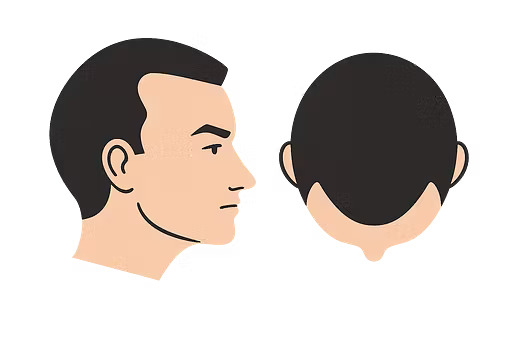
- Early recession at the hairline
- Small scar corrections or minor revision surgery
MEDIUM
(500–800 grafts):
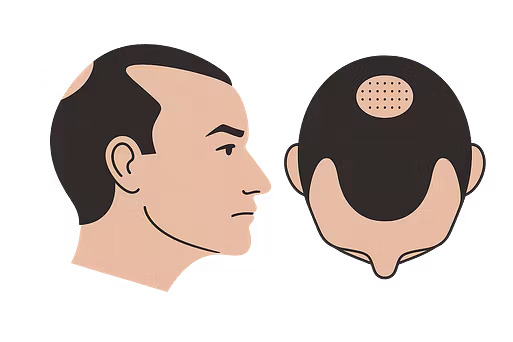
- Mild recession at hairline/temporal areas
- Mild crown loss
LARGE
(800–1200+ grafts)
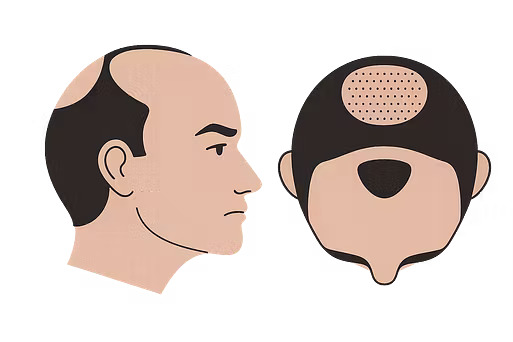
- Extensive recession and frontal loss
- Significant crown loss
BESPOKE
(2000+):
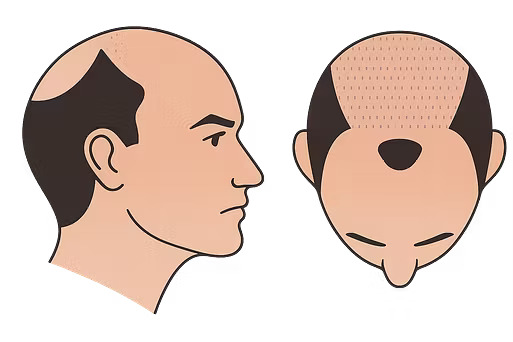
- Extensive loss frontal to crown
- Revision cases / correction surgery
- Unshaven techniques