Hair Transplants
FUE Hair
 Book a consultation
FUE Hair
Transplant Liverpool
Our FUE hair transplant clinic in Liverpool specialises in Follicular Unit Extraction (FUE) a modern, minimally invasive hair transplant technique designed to restore natural hair growth with minimal scarring and downtime. Using precise follicle extraction and implantation methods, our experienced surgeons deliver natural looking FUE hair transplant results for men and women experiencing thinning hair, receding hairlines, or pattern hair loss. Patients choose our FUE hair transplant services in the UK for their clinical safety, long-term results, and personalised treatment approach all delivered from our Liverpool clinic with transparent pricing, flexible finance options, and expert aftercare
Dr. JOY KUMARI
Hair Transplant Surgeon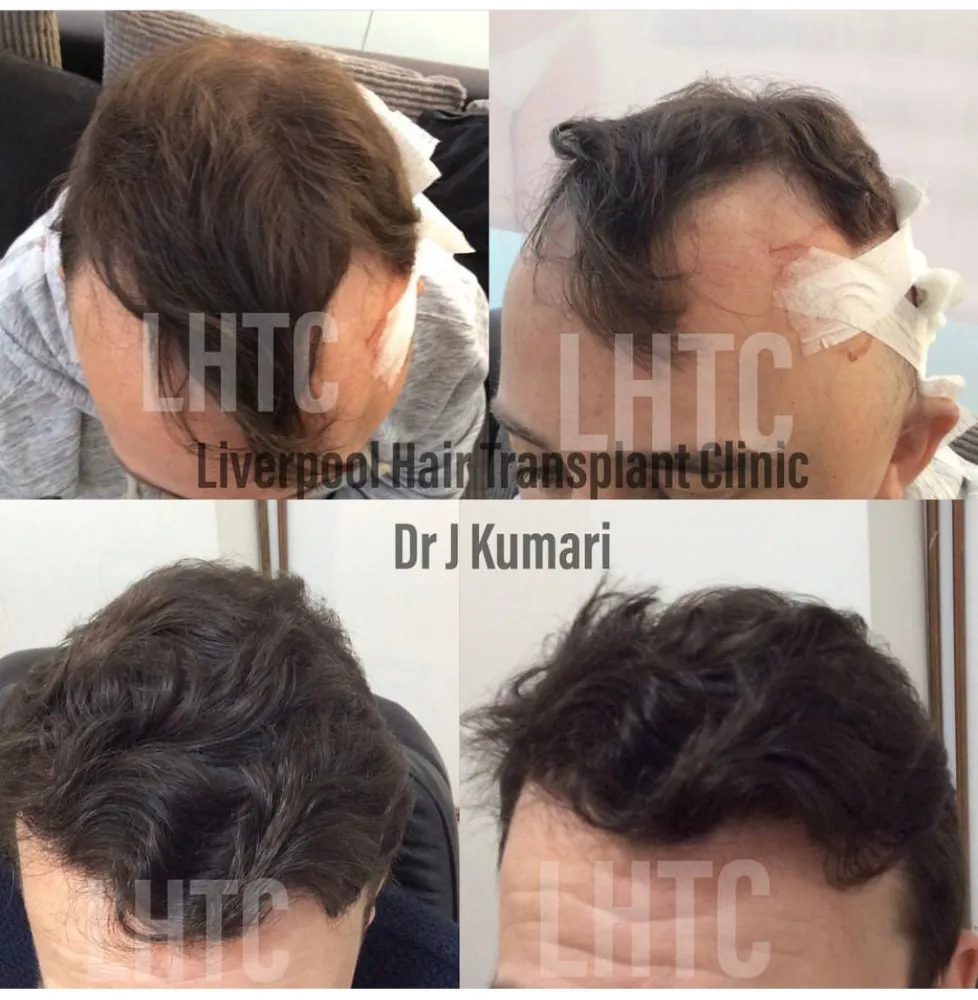
What is a FUE hair transplant?
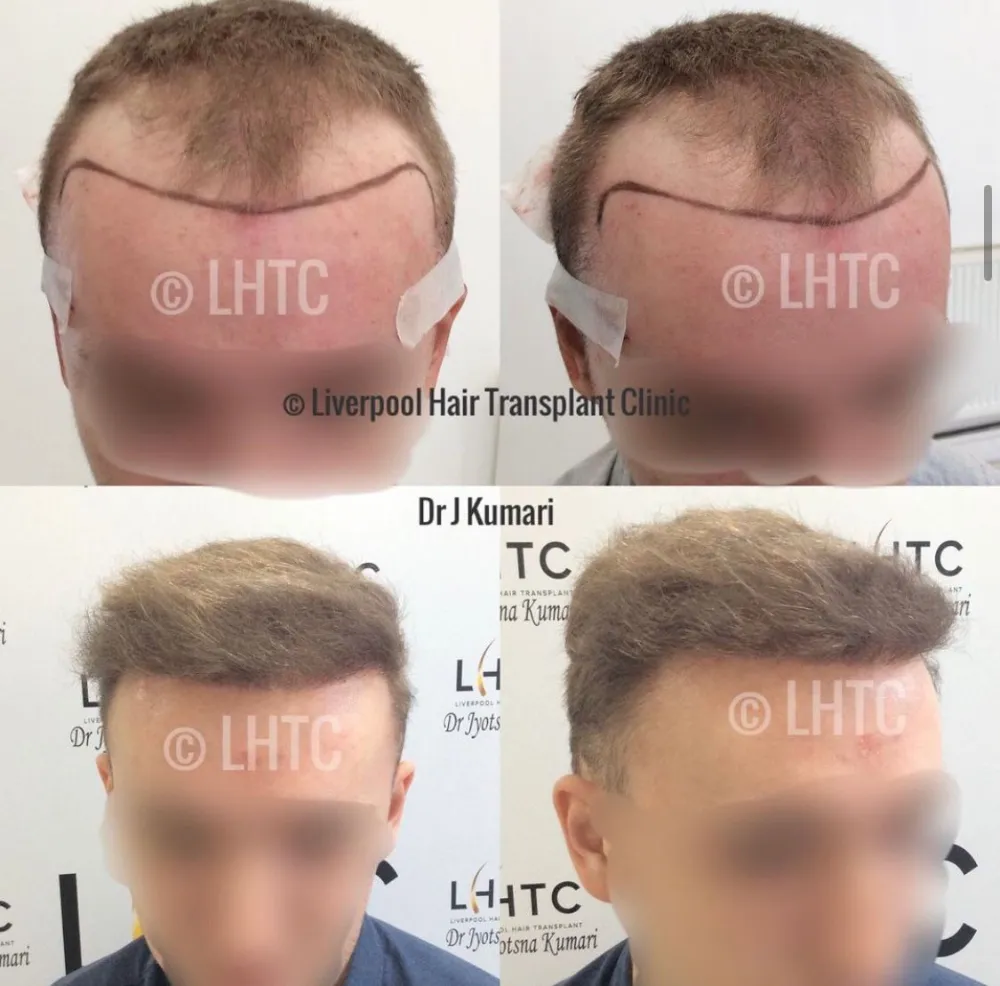
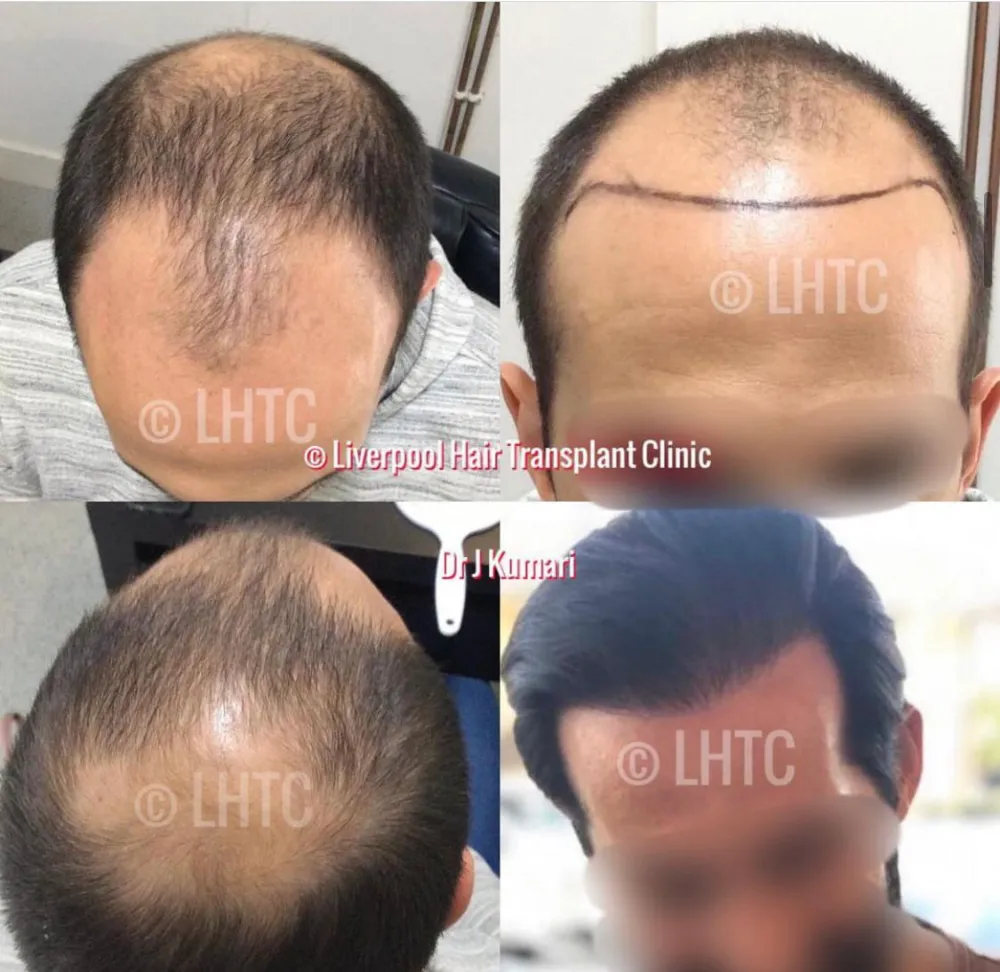
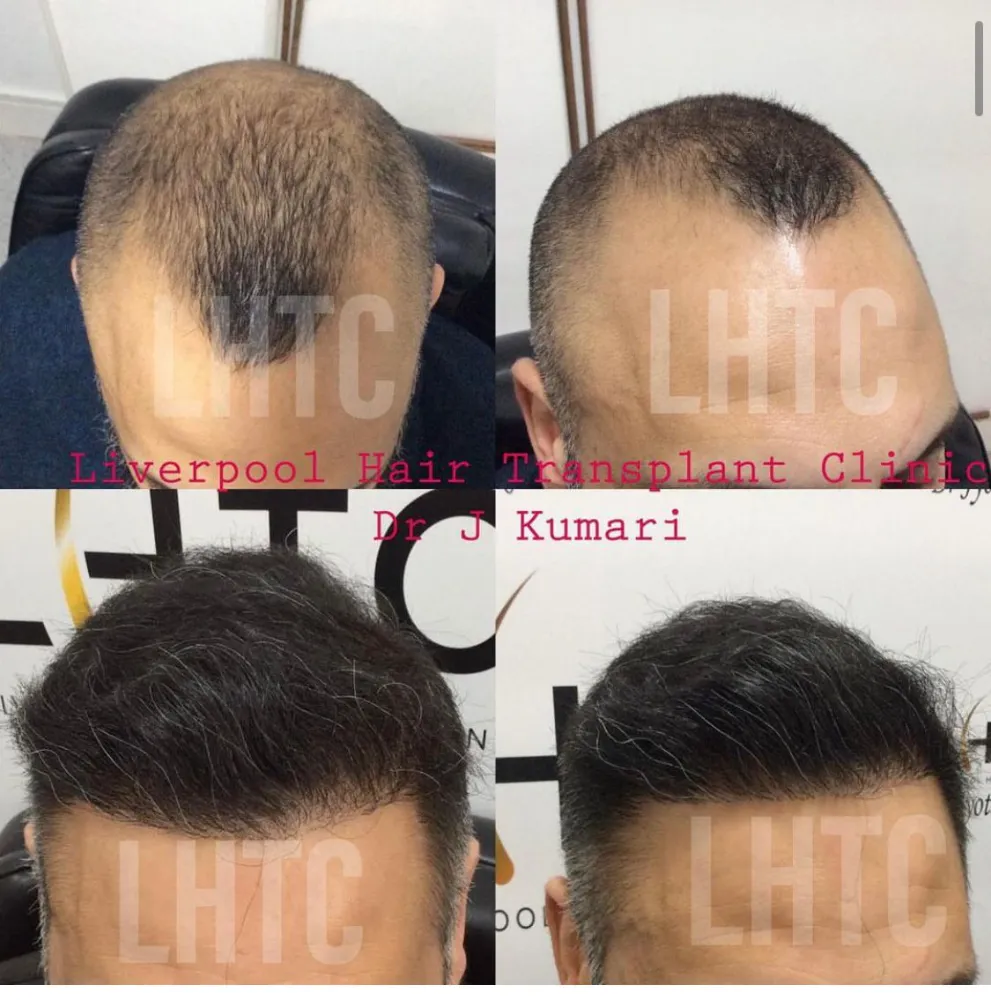
A FUE hair transplant (Follicular Unit Extraction) is an advanced, minimally invasive hair restoration treatment designed to treat hair loss by carefully extracting individual hair follicles from a donor area and transplanting them into thinning or balding areas of the scalp to restore natural hair growth. During an FUE procedure, hair follicles are implanted one by one and positioned in line with your natural hair growth pattern. This precise approach allows surgeons to recreate a natural-looking hairline, with grafts selected based on hair density, thickness, and suitability for the target area.
Compared to traditional hair transplant techniques, FUE hair transplantation is far less invasive and does not require stitches or leave noticeable linear scars. Because the recovery time is shorter, most patients can complete their treatment in a single day and return to normal routines quickly. At our clinic, every FUE hair transplant is carried out by experienced professionals using modern techniques to ensure high graft survival, natural results, and long-term patient satisfaction.
How does FUE work?
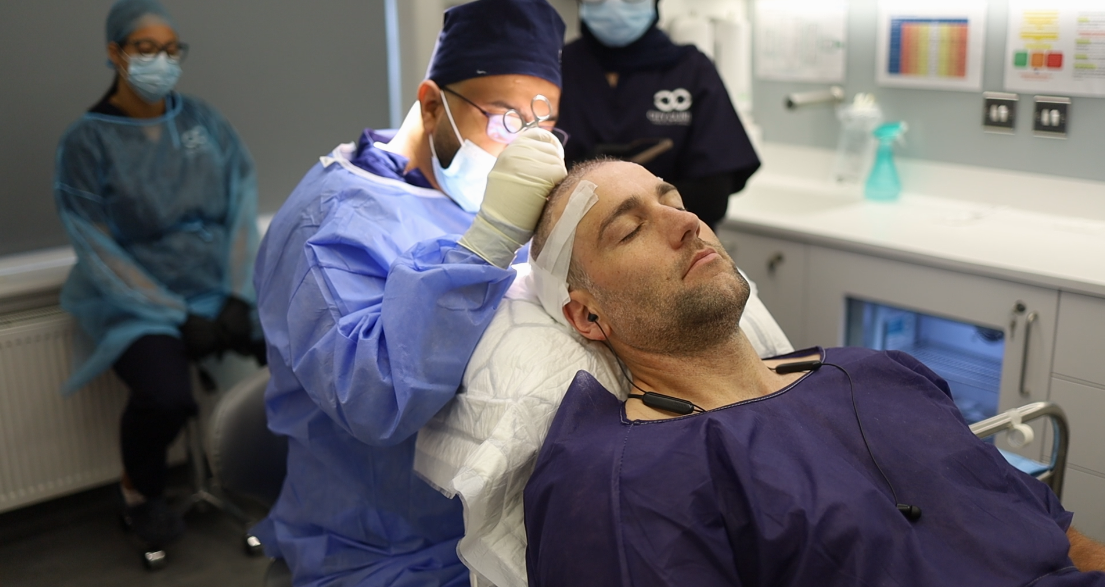
An FUE hair transplant is performed by experienced surgeons using advanced equipment to achieve precise, natural-looking results. Each procedure is carried out under high magnification, allowing for careful handling of every hair follicle and maximising graft survival.
During the process, individual follicular units are extracted from a healthy donor area—typically the back or sides of the scalp—and transplanted into areas affected by thinning or hair loss to restore density and hair growth.
Before the procedure begins, a local anaesthetic is applied to both the donor and recipient areas to ensure the treatment is comfortable and pain-free.
A specialised Micro Punch tool is used to create tiny circular incisions around each follicular unit. This allows the surgeon to extract hair follicles individually, reducing trauma to surrounding tissue.
Each follicular unit is carefully removed using precision forceps. Because FUE requires very small incisions, it significantly lowers the risk of visible scarring and promotes faster healing compared to traditional hair transplant methods.
The harvested grafts are examined and sorted based on hair count, thickness, and density. This step is crucial for planning accurate placement and achieving a natural hairline and even coverage.
Before implantation, the grafts are stored in a controlled environment to maintain hydration and viability, ensuring optimal conditions for successful transplantation.
Each graft is implanted individually into the recipient area, following the natural angle and direction of existing hair growth. This meticulous approach helps deliver realistic, long-lasting FUE hair transplant results.
Once the procedure is complete, the treated areas are protected to support healing and graft retention. Most patients experience minimal downtime and can resume normal activities within a short period.
What are the benefits of a FUE transplant?
An FUE hair transplant offers a modern, patient-friendly approach to hair restoration, making it one of the most popular treatments for hair loss today. Understanding the benefits of FUE helps you decide whether this minimally invasive technique is the right solution for your needs.
Key benefits of FUE hair transplant
Minimally invasive procedure
FUE uses a precision Micro Punch tool to extract individual follicular units without the need for large incisions or stitches. This approach minimises trauma to the scalp and protects surrounding tissue in the donor area.
Minimal and discreet scarring
Each extraction point is typically less than 1 mm in diameter, resulting in tiny marks that are virtually invisible once healed. This makes FUE ideal for patients who prefer to keep their hair short without visible scarring.
Faster recovery and minimal downtime
Because the incisions are extremely small, healing is usually quicker compared to traditional hair transplant methods. Most patients can return to normal daily activities within a few days, with minimal discomfort.
Natural-looking results
Hair follicles are implanted following the natural direction, angle, and density of existing hair. This ensures a realistic hairline and seamless blending with surrounding hair.
Versatile treatment areas
Hair follicles are implanted following the natural direction, angle, and density of existing hair. This ensures a realistic hairline and seamless blending with surrounding hair.
Long-lasting solution
Once transplanted, healthy follicles continue to grow naturally, providing a permanent solution to thinning and balding when supported by proper aftercare.
Ideal Candidates for FUE Hair Transplant
An FUE hair transplant is best suited for individuals experiencing male or female pattern hair loss, thinning hair, receding hairlines, or crown hair loss who have a healthy donor area at the back or sides of the scalp. Patients who prefer a minimally invasive procedure, want to avoid linear scarring, or wish to keep shorter hairstyles often choose FUE over other methods.
An FUE hair transplant is best suited for individuals experiencing male or female pattern hair loss, thinning hair, receding hairlines, or crown hair loss who have a healthy donor area at the back or sides of the scalp. Patients who prefer a minimally invasive procedure, want to avoid linear scarring, or wish to keep shorter hairstyles often choose FUE over other methods. Patients who prefer a minimally invasive procedure, want to avoid linear scarring, or wish to keep shorter hairstyles often choose FUE over other methods.
TThe main difference between FUE (Follicular Unit Extraction) and FUT (Follicular Unit Transplantation) lies in how hair follicles are harvested from the donor area. With FUE, individual follicular units are extracted one by one using a micro-punch tool and then implanted into thinning or balding areas. This technique does not require stitches and leaves tiny dot scars that are usually invisible once healed. In contrast, FUT involves removing a strip of skin from the donor area, which is then dissected into grafts. While FUT can yield a high number of grafts in a single session, it leaves a linear scar and typically involves a longer recovery period. Because of reduced scarring, faster healing, and greater flexibility, FUE is now the preferred hair transplant method for many patients in the UK.
FUE hair transplantation is considered a safe and well-established procedure when performed by qualified surgeons, but like any medical treatment, it carries some potential risks and side effects. Common and temporary side effects may include: Mild swelling or redness in the donor or recipient area Small scabs around transplanted follicles Temporary numbness or tightness Short-term shedding of transplanted hair (shock loss) Less common risks — typically associated with poor technique or unregulated clinics — include uneven density, poor graft survival, or over-harvesting of the donor area. These risks are significantly reduced through proper donor planning, sterile surgical conditions, and expert implantation techniques, followed by clear aftercare guidance and follow-up support.
No, local anaesthesia ensures comfort during the procedure with minimal downtime.
No, local anaesthesia ensures comfort during the procedure with minimal downtime.
Our Certificates




Stages of Hair Regrowth
7–14 Days — Recovery & Return to Normal Routine
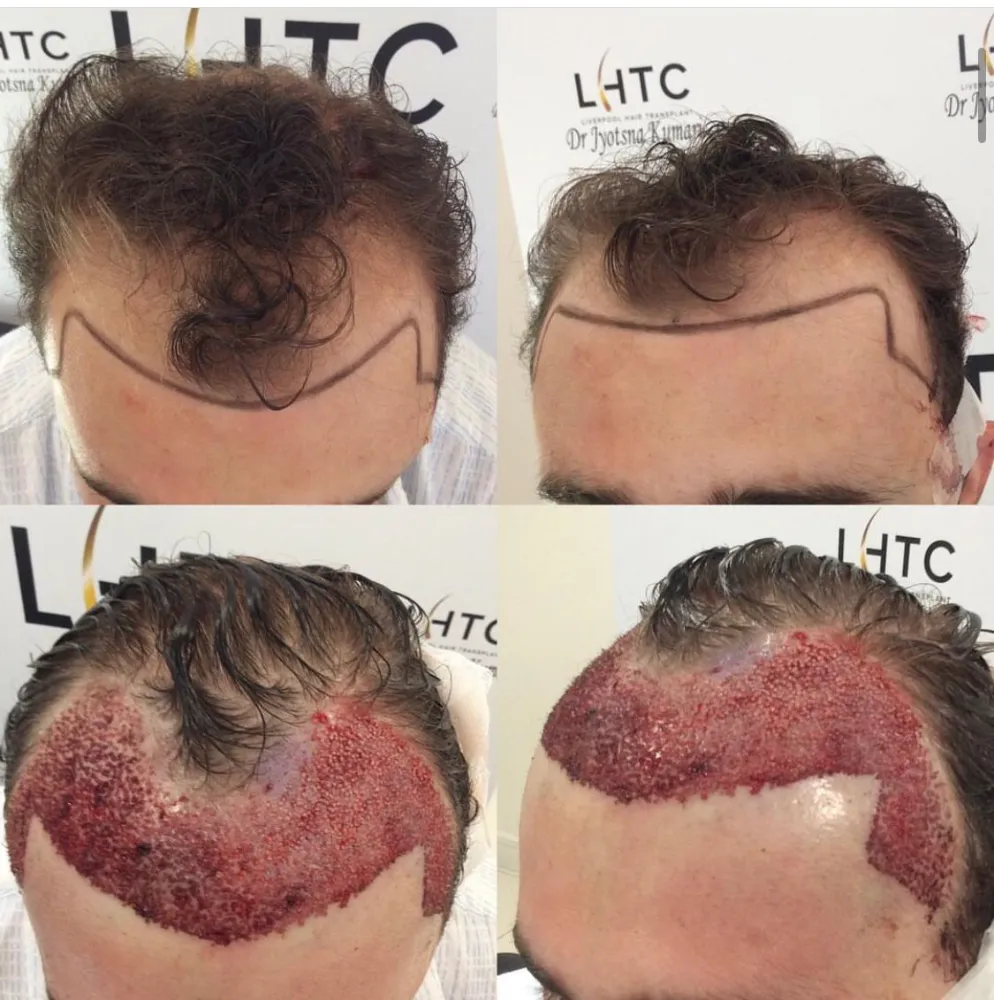
During the first one to two weeks after your FUE hair transplant, the scalp begins to heal. Small scabs naturally fall away, and any mild redness or swelling subsides. Most patients can comfortably resume regular daily activities, including work, as advised by their surgeon. Proper aftercare during this phase helps protect newly implanted follicles and supports healthy healing.
Around 6 Months — Early Signs of Hair Growth
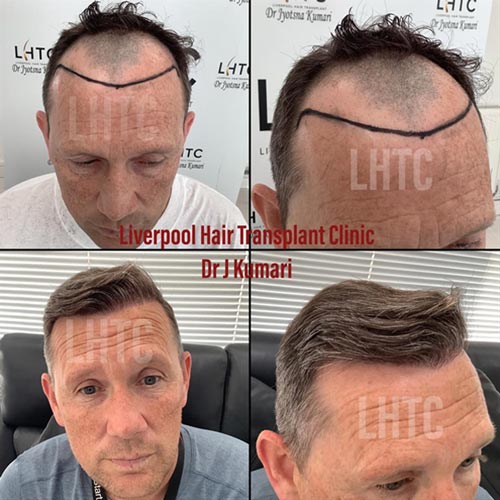
At approximately six months post-procedure, new hair growth becomes noticeable. Fine hairs start to emerge from the transplanted follicles, gradually increasing in thickness and density over time. While results are still developing, this stage marks a clear improvement in coverage and the beginning of visible transformation.
12 to 18 Months — Final Results & Full Regrowth
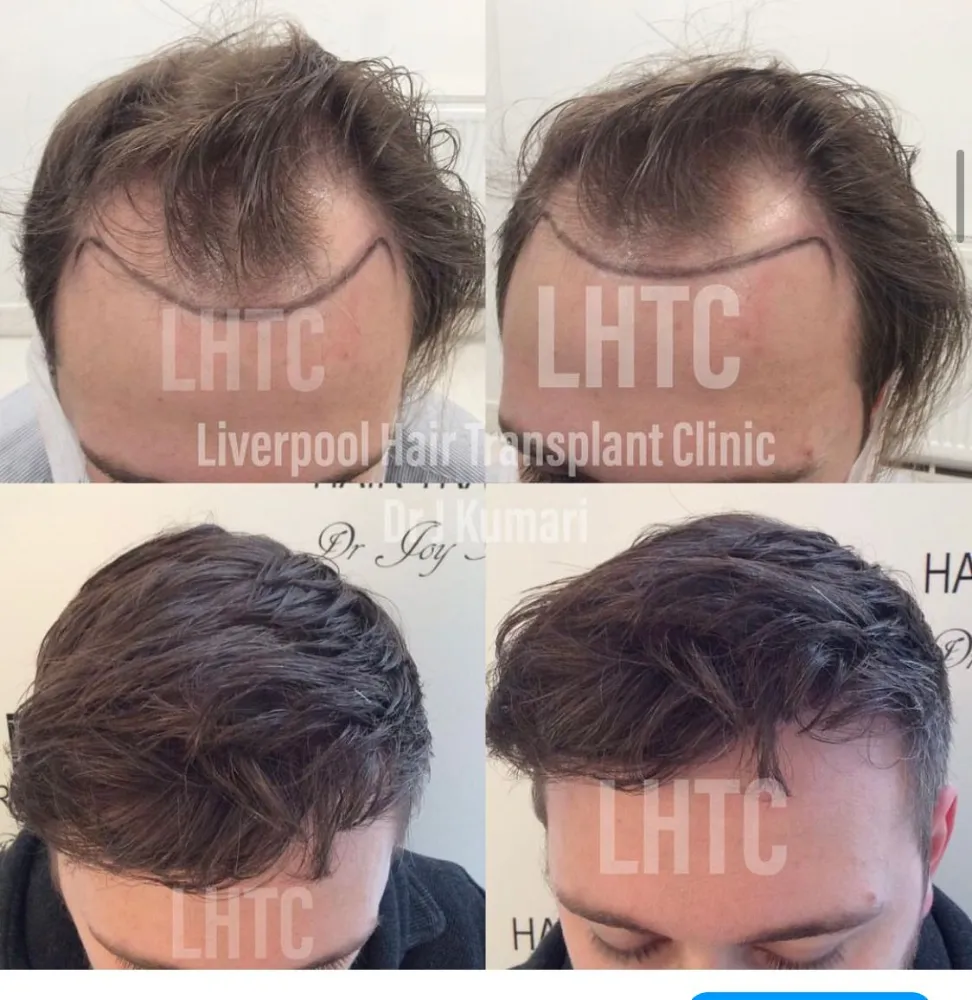
Between 12 and 18 months, the final outcome of your FUE hair transplant becomes fully visible. Transplanted hair has matured, thickened, and blended naturally with existing hair. At this stage, patients typically achieve their desired density, hairline definition, and long-term, permanent results.
FUE Hair Transplant Recovery
Recovery after a FUE hair transplant is generally quicker and more comfortable compared to traditional hair transplant methods. Because FUE does not involve stitches or large incisions, most patients experience minimal downtime and a smooth healing process. Tiny scabs form in both the donor and recipient areas and usually shed naturally within the first 1–2 weeks. After this, patients often enter an “invisible phase,” where transplanted hairs temporarily shed while the follicles remain securely in place and begin producing new hair over time. Recovery after a FUE hair transplant is generally quick and comfortable. Most patients experience minimal downtime and return to normal routines within days.
Recovery Timeline
- 1–2 weeks: Scabs shed naturally
- 1–3 months: Temporary shedding phase
- 3–4 months: New hair growth begins
- 6–9 months: Visible density improvement
- 12 months: Visible density improvement
Patients receive personalised aftercare instructions and follow-up support throughout recovery.
FUE Hair Transplant Cost
The cost of a FUE hair transplant varies from patient to patient and cannot be accurately quoted without a consultation. Pricing depends on several factors, including the extent of hair loss, donor hair quality, number of grafts required, and the complexity of the procedure. While many clinics charge per graft, others offer fixed pricing based on a projected graft range. A personalised assessment is the most reliable way to determine an accurate cost and treatment plan.
UK Price Guide:
SMALL
(500–1000 grafts)
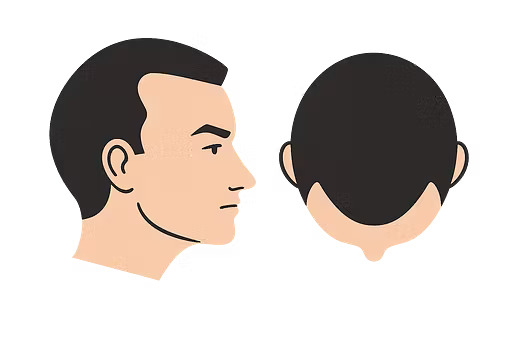
- Early recession at the hairline
- Small scar corrections or minor revision surgery
MEDIUM
(1000–1500):
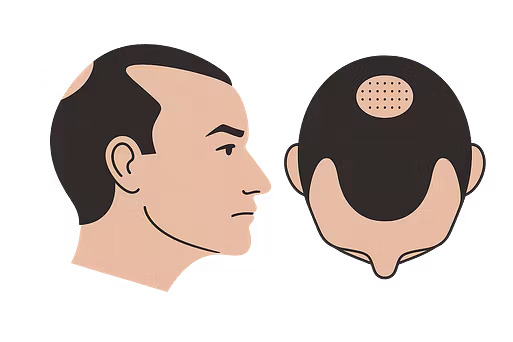
- Mild recession at hairline/temporal areas
- Mild crown loss
LARGE
(1500–2000):
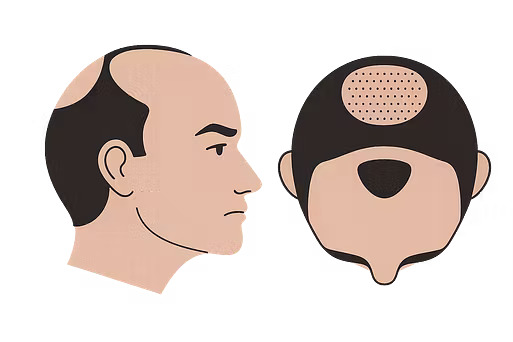
- Extensive recession and frontal loss
- Significant crown loss
BESPOKE
(2000+):
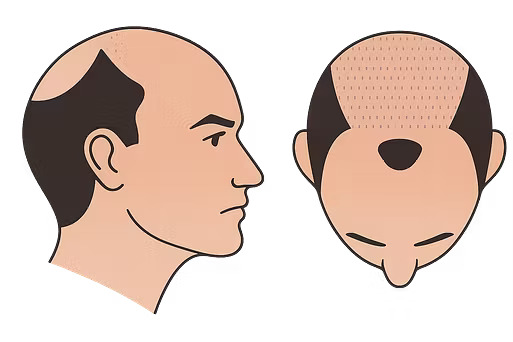
- Extensive loss frontal to crown
- Revision cases / correction surgery
- Unshaven techniques